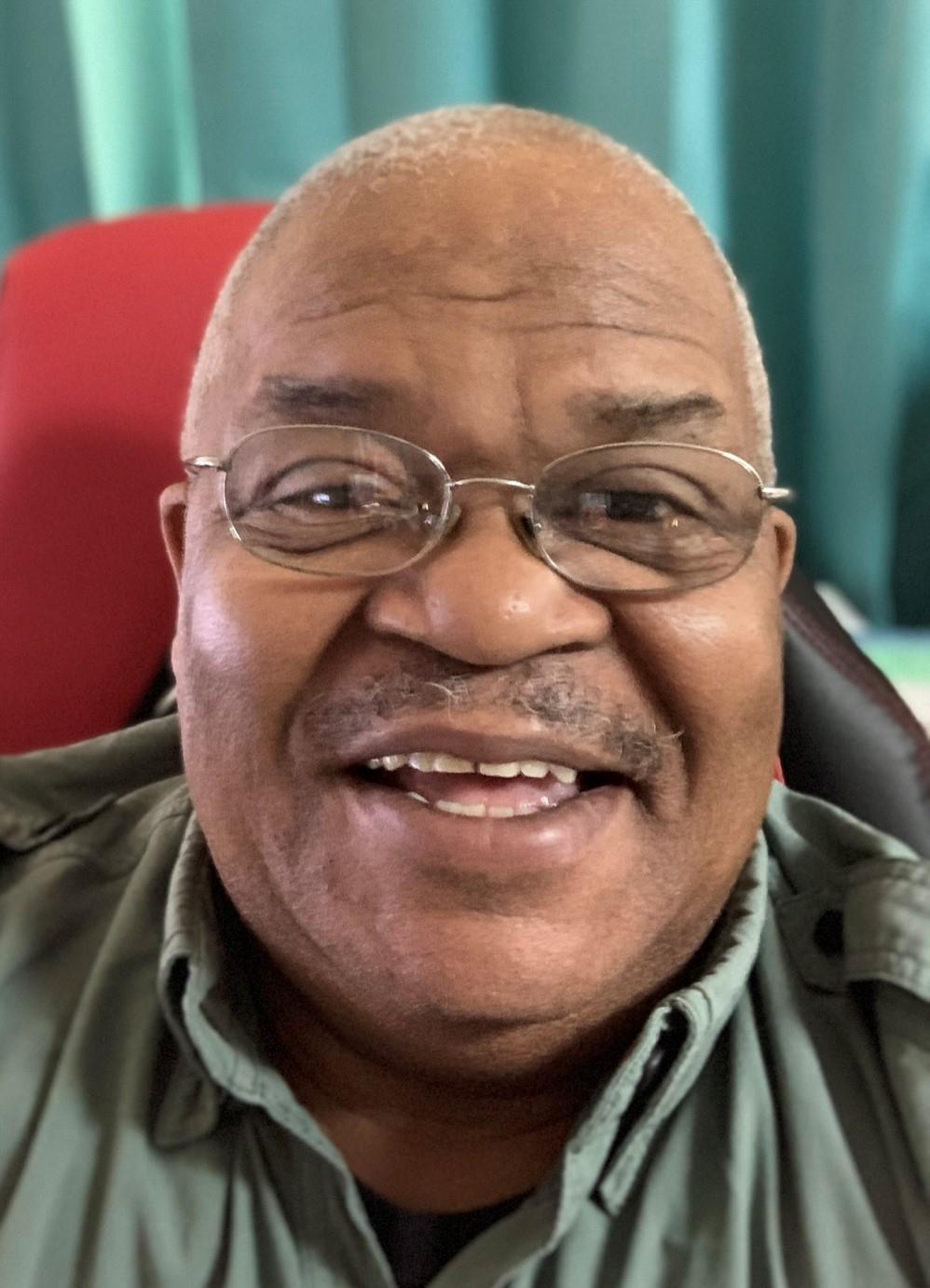
Tink Hill spoke to us about the Native American involvement in the U.S. Civil War. At that time, they had been pushed farther and farther west, having been given a choice to assimilate or move west. This was a divisive decision inside the various tribes about whether to stay or move, and there were fights between the two groups. The government said they were being moved for their own “protection” from white settlers. Fights also broke out between different tribes that were relocated together in Oklahoma. Then came the Civil War and the Native Americans had to decide which side to join or whether to stay out of the conflict. They tended to decide by location. If they were living in the North, they joined that side of the conflict, and those in the South joined that side. Indians to the west of the conflict decided to take advantage of the war and started attacking white settlements, which led them to be pushed back towards the east during that time. Tinke told us a couple of stories about individuals who joined the fight. Stand Watie, a member of the Cherokee Nation, became a Brigadier General for the Confederate Army and was the last Confederate General to surrender. Ely Parker was a member of the Seneca tribe and was commissioned as a lieutenant colonel during the Civil War, where he served as adjutant and secretary to General Ulysses S. Grant. Parker wrote the final draft of the Confederate surrender terms at Appomattox. Tink told us about 30,000 Native Americans participated in the war. At the end of his presentation, he showed a video about the Native American involvement in the Civil War.